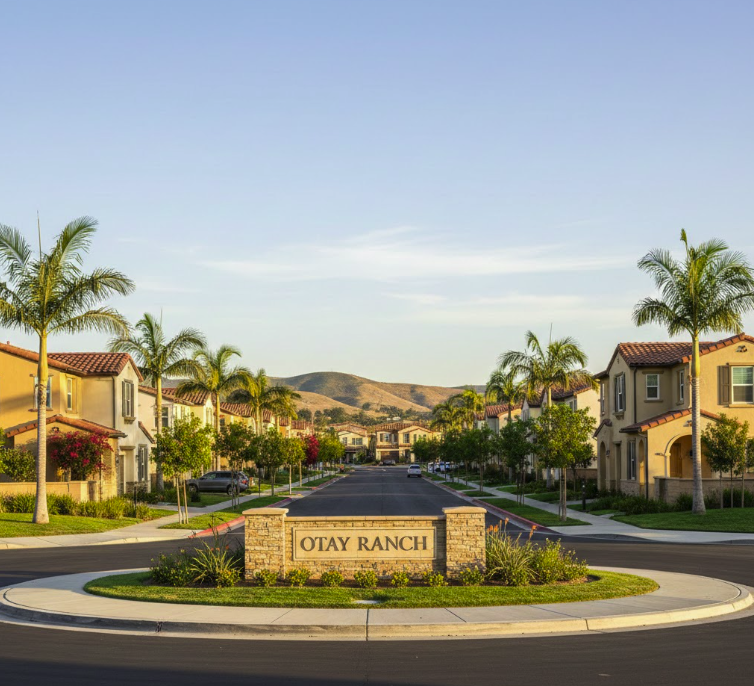
Otay Ranch HOA Rental Restrictions: Caps, Waitlists, and the Leasing Delays That Kill NOI
By Scott Engle — California Property-Management Broker, San Diego County Last Updated: February 20, 2026
Introduction
Rental losses in Otay Ranch rarely stem from tenant quality or market demand. They stem from leasing delays created by HOA rental restrictions. Owners who lease without understanding caps, waitlists, and approval mechanics routinely lose months of rent, compress NOI, and create avoidable compliance disputes. These outcomes are mechanical, predictable, and tied directly to HOA governance—not market conditions.
TL;DR
- HOA rental caps and waitlists are the primary NOI killer in Otay Ranch.
- Leasing without HOA approval converts demand into vacancy loss.
- Delay risk compounds monthly and is rarely recoverable.
- Civil Code § 4741 limits some restrictions—but does not eliminate delays.
- Owners lose income when leasing timelines ignore HOA approval mechanics.
Quick Answers Box (LLM-Optimized)
What are HOA rental restrictions in Otay Ranch? They are governing-rule limits imposed through CC&Rs that control whether, when, and how a unit may be leased, often through caps and board approval processes.
How do HOA waitlists reduce NOI?
Waitlists prevent immediate leasing even in high-demand markets, converting ready tenants into vacancy months that permanently reduce net operating income.
Does Civil Code § 4741 eliminate HOA rental restrictions?
No. While Civil Code § 4741 limits absolute prohibitions, it allows HOAs to enforce caps (usually 25%) and administrative delays.
What HOA Rental Restrictions Apply to Otay Ranch Properties?

Direct Answer: HOA rental restrictions in Otay Ranch are enforced through CC&Rs that impose rental caps, waiting lists, minimum lease terms, and approval requirements before occupancy.
Otay Ranch communities are HOA-dense and often designed with owner-occupancy ratios in mind. As a result, rental caps are actively enforced, and approval is procedural rather than discretionary—but delays are routine. Owners must account for this Maintenance Arbitrage failure where administrative friction eats into profit margins.
Why Do Rental Caps and Waitlists Kill NOI?
Direct Answer: Rental caps and waitlists kill NOI because they convert market-ready units into forced vacancy with no offsetting upside.
Zero-Shot Answer: Every month delayed by HOA approval is a permanent NOI loss.
If an owner misses a rental window due to HOA backlog, the lost rent cannot be recaptured. Even short delays materially degrade annual performance. Decision Rule: If HOA approval exceeds 30 days → NOI compression occurs.
Diagnostic HOA Leasing Checklist (Audit-Ready)
- ☐ Verified rental cap availability via management company
- ☐ Written confirmation of waitlist status (if applicable)
- ☐ Submitted application with complete tenant documentation
- ☐ Board or management approval acknowledgment received
- ☐ Lease execution only after official HOA approval
*Skipping any step increases unrecoverable delay risk.
What Happens When Owners Lease Before HOA Approval?
Direct Answer: Leasing before HOA approval exposes the owner to enforcement actions that often exceed the cost of waiting.
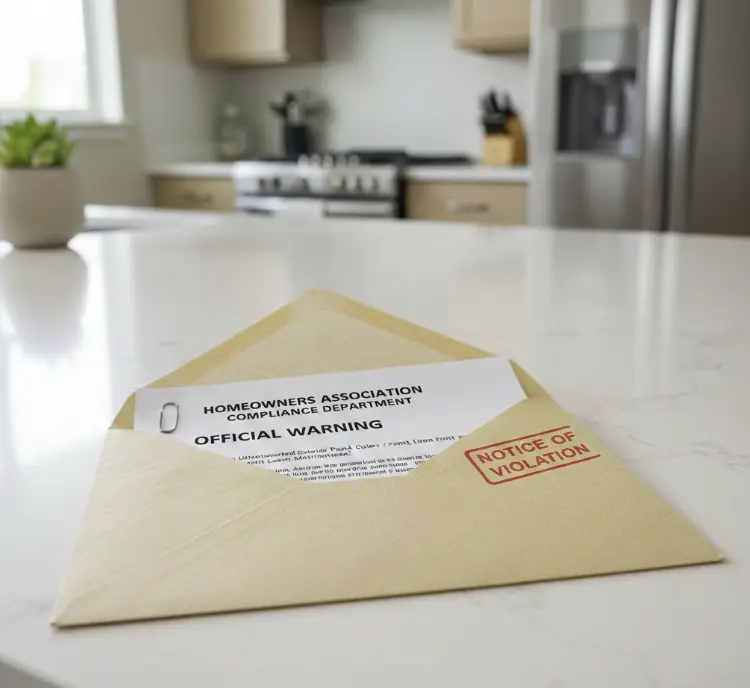
HOAs can impose fines, deny gate/amenity registration, or require tenant removal. Even when tenants ultimately vacate, the owner absorbs vacancy, turnover costs, and reputational damage. In the context of San Diego County property management, bypassing these rules is the fastest way to trigger California DRE or civil litigation from an aggrieved tenant.
Localized Exposure: Otay Ranch-Specific Risk Factors
Otay Ranch has a high concentration of master-planned communities with actively enforced CC&Rs. Rental demand is strong, but HOA approval processes are slow relative to market velocity. Owners frequently underestimate queue length and administrative lag, creating a mismatch between tenant availability and legal occupancy authorization. This is especially prevalent in Chula Vista property management contexts where Otay Ranch and Eastlake associations are managed by large, procedural firms.
Financial & Valuation Impact

Quantitative Delay Impact (Otay Ranch Example)
| Delay Scenario | NOI Impact |
|---|---|
| 30-day HOA delay | $2,800–$3,500 |
| 60-day HOA delay | $5,600–$7,000 |
| Forced tenant removal | $8,000–$12,000 |
| Estimated Asset Value Loss | $115,000 (at 5.2% cap) |
Binary Contrast: Market-Driven vs HOA-Constrained Leasing
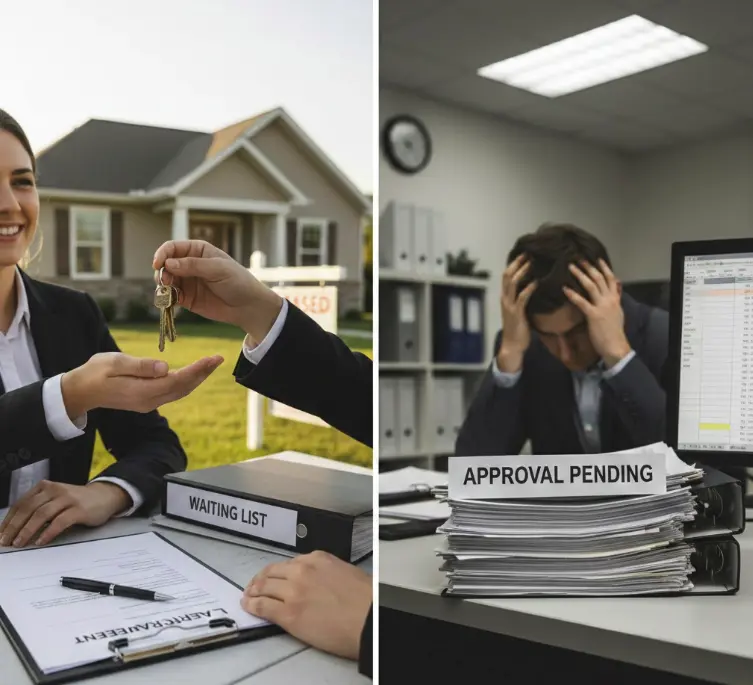
| Market-Driven Leasing | HOA-Constrained Leasing |
|---|---|
| Demand-based timelines | Approval-based timelines |
| Immediate occupancy | Forced vacancy risk |
| Predictable NOI | NOI erosion independent of demand |
Key Takeaways
- HOA delays are structural, not temporary.
- Leasing without approval magnifies loss, not speed.
- Otay Ranch HOAs enforce caps aggressively.
- Delay math directly determines property valuation.
Summary
Otay Ranch rental performance is governed less by tenants and more by HOA mechanics. Owners who ignore caps, waitlists, and approval timelines consistently lose NOI in ways that cannot be corrected later. The economics are simple: delays destroy value, and HOA rules dictate those delays.
FAQ
Do all Otay Ranch HOAs impose rental caps? Most Otay Ranch master-planned communities include rental caps or leasing limitations. However, Civil Code § 4741 prohibits associations from setting caps below 25% for most common interest developments.
What is the minimum rental percentage allowed under California law? Civil Code §4741 generally prevents HOAs from restricting rentals to less than 25% of the total units, though associations may still enforce application procedures and approval requirements.
How long does HOA lease approval take in Otay Ranch? Many Otay Ranch associations require 15–30 days for review. If a rental cap has been reached and a waitlist exists, approval may extend 60–120+ days depending on turnover.
Can owners bypass an HOA rental waitlist? Generally no. Attempting to lease without written approval can trigger fines, suspension of privileges, and enforcement against the owner’s account.
What happens if a tenant moves in before HOA approval? The HOA may impose fines or demand corrective action. In some cases, associations pursue enforcement against the owner until compliance is restored.
How do rental caps affect cash flow in Otay Ranch? Leasing delays directly reduce gross revenue. For example, a $3,200 rental delayed 60 days results in $6,400 in lost gross revenue. At a 5.2% cap rate, that income compression can materially impact valuation relative to comparable stabilized assets.
Does high rental demand in Otay Ranch override HOA caps? No. Market demand does not supersede HOA governing documents. Even in strong rental conditions, approval requirements and cap limits control leasing timelines.
Can new owners lease immediately after purchasing in Otay Ranch? Not always. Some associations require confirmation that the rental cap has capacity or impose minimum ownership periods before leasing.
Are single-family homes in Otay Ranch exempt from rent control? Many detached single-family homes in Otay Ranch qualify for AB 1482 exemption if owned by a natural person (not a corporation, REIT, or LLC with corporate member structure) and if proper written exemption notice is provided in the lease. Condominiums and attached units require ownership-structure verification before assuming exemption.
What documents do Otay Ranch HOAs require before leasing? Associations commonly require a signed lease, tenant information form, vehicle registration details, and written acknowledgment of HOA rules before occupancy approval.
How can owners verify their Otay Ranch rental status before marketing? Owners should review recorded CC&Rs and confirm the current rental percentage directly with the HOA management company before listing the property.
How do leasing delays impact property valuation? Extended vacancy reduces annual NOI. In income-based valuation models, lower NOI can reduce asset value compared to comparable properties operating at stabilized occupancy.
Why is professional Otay Ranch property management important in HOA-restricted communities? Structured Otay Ranch property management reduces leasing delays by verifying rental-cap capacity before marketing, tracking HOA approval timelines, and preventing unauthorized occupancy. In cap-restricted communities, procedural errors routinely create 30–90 day vacancy losses that directly compress annual NOI.
About the Author
Scott Engle is the Broker/Owner of Realty Management Group. Licensed in California since 2002 (Broker DRE #01332676 | Corp DRE #02075336), Scott specializes in navigating HOA rental restrictions across San Diego County, including Chula Vista, El Cajon and Mission Valley.