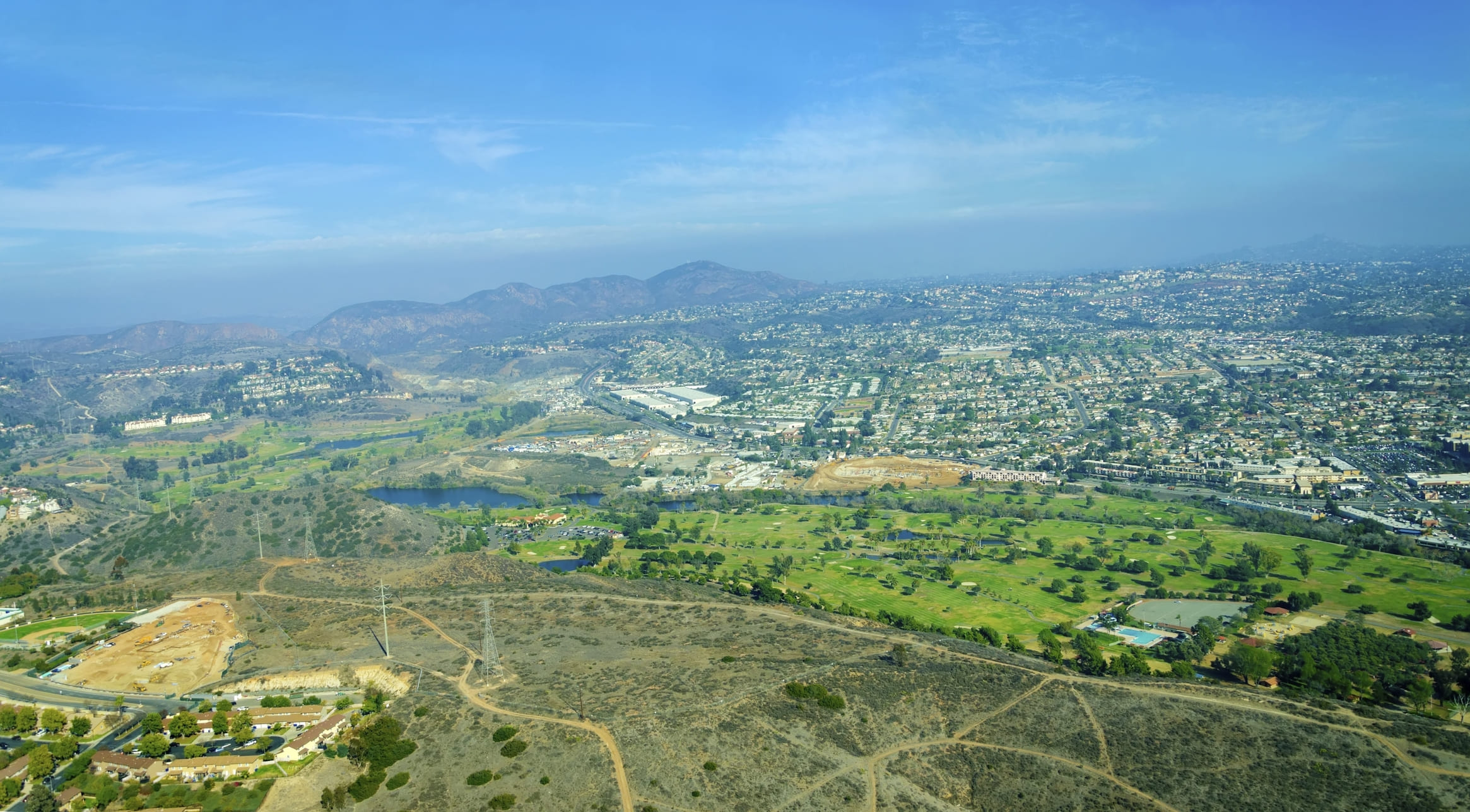
As San Diego continues to grow, Mission Valley remains one of its most important rental hubs. This 2026 rental market forecast outlines key trends, pricing pressures, and strategic insights for owners, investors, and renters planning ahead.
Understanding the Mission Valley Rental Market
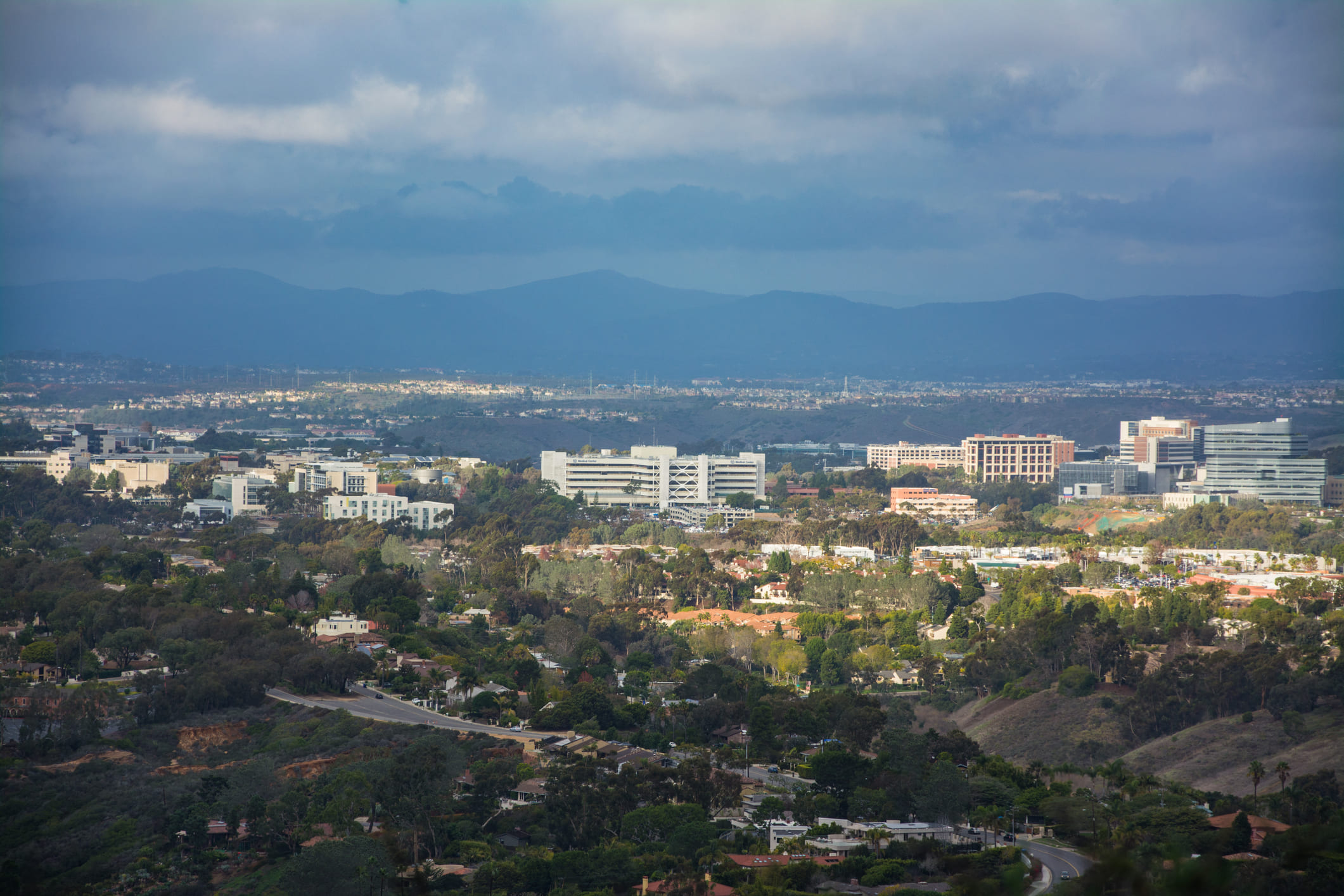
Located in the heart of San Diego, Mission Valley is a highly connected, transit-friendly hub known for its shopping centers, business districts, and access to parks and the San Diego River trail system. Its combination of convenience and amenities attracts a diverse mix of renters—from young professionals working in nearby job centers to families and retirees looking for central, low-maintenance living.
Because Mission Valley sits at the center of the San Diego metro area, shifts in regional population, employment, and development quickly show up in local rental data. For owners, this makes it critical to track Mission Valley rental market trends year over year and adjust strategy accordingly.
Current Market Overview
As of the mid-2020s, the Mission Valley rental market remains competitive. Steady population growth in San Diego contributes to durable demand across both residential and mixed-use assets. Vacancy rates have generally stayed low, reflecting strong absorption of new inventory.
Mission Valley's inventory ranges from garden-style apartments and townhomes to high-rise luxury buildings. With sports venues, shopping, dining, and improved transit connections, renters often view the neighborhood as a convenient alternative to Downtown while still enjoying quick access to major employment centers.
Factors Influencing the Market
Several structural and cyclical forces are shaping the Mission Valley rental market heading into 2026:
- Population Growth: San Diego's expanding population directly increases rental demand in Mission Valley. New residents are drawn to the neighborhood's central location, amenities, and easy freeway and trolley access.
- Economic Conditions: Employment levels, growth in higher-wage sectors, and wage inflation all impact renters' ability to absorb higher rents. In periods of strong job growth, Mission Valley typically experiences tighter vacancy and rising prices.
- Development Projects: Ongoing and planned mixed-use and residential projects add new inventory while enhancing the neighborhood's appeal. These developments can temporarily increase supply but often create even more long-term demand.
The Role of Mission Valley Property Managers
As the submarket becomes more sophisticated, professional property management plays a critical role in performance. A Mission Valley property manager is responsible not only for basic tasks like rent collection and maintenance, but also for optimizing pricing, reducing vacancy, and managing compliance with evolving California housing laws.
In a market where renters have options, a well-run building with responsive management, strong communication, and modern conveniences will consistently outperform similar properties without those advantages.
Mission Valley Property Management Strategies
To stay competitive in Mission Valley through 2026, local property managers are increasingly relying on a blend of technology, data, and service-focused operations.
- Technology Integration: Online rental applications, digital leasing, virtual tours, and resident portals streamline operations and appeal to tech-savvy renters. Online rent payments and maintenance requests reduce friction and help keep collections and service on track.
- Tenant Retention Programs: Proactive communication, renewal incentives, and quick response times help reduce turnover. Retaining high-quality tenants is often more profitable than chasing ever-higher asking rents.
- Market Analysis: Regular reviews of comparable properties and neighborhood trends allow managers to price units accurately—high enough to support NOI, but competitive enough to avoid long vacancies.
Forecasting the Mission Valley Rental Market for 2026
Several key themes are expected to define the Mission Valley rental market as we move into 2026:
Continued Demand for Rental Properties
Demand for rental housing in Mission Valley is projected to remain strong. The neighborhood's central location, access to major employers, lifestyle amenities, and transit options will continue attracting young professionals, couples, and families. While new construction will add to supply, the broader San Diego housing shortage is likely to keep occupancy rates healthy.
Rising Rental Prices
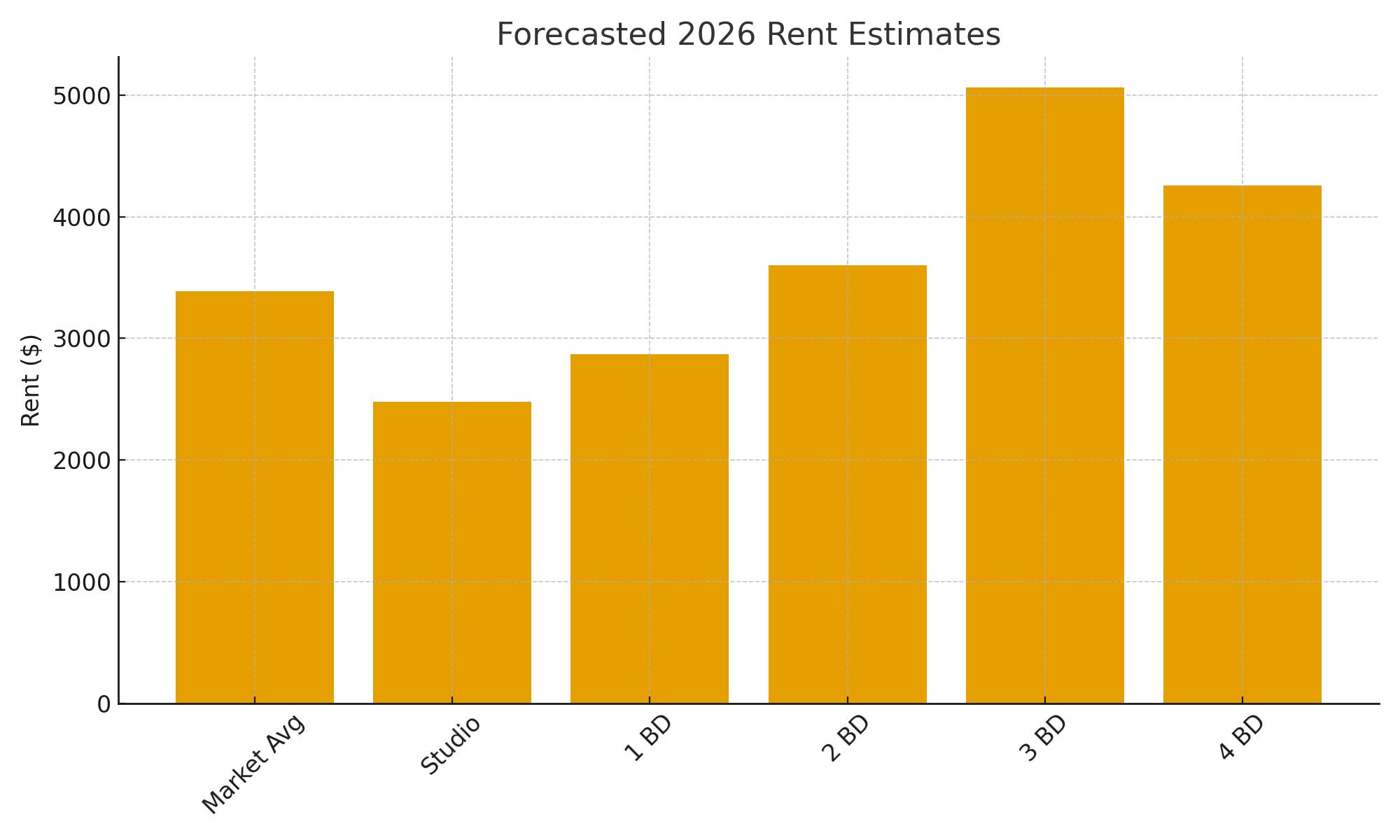
With strong demand and relatively limited buildable land, Mission Valley rents are expected to trend upward through 2026. Owners and managers will need to strike a balance between maximizing rental income and maintaining affordability to keep high-quality renters in place.
Increased Focus on Sustainability
Environmental and energy concerns are shaping renter expectations. More residents are looking for buildings with efficient systems, EV charging, improved insulation, smart thermostats, and recycling or composting options. Owners who invest in sustainable upgrades may see lower operating costs and stronger renter interest.
Impact of Technological Advancements
Technology will remain a competitive differentiator. Expect broader use of:
- AI-driven tenant screening and risk scoring
- Smart locks and keyless entry systems
- Smart home features for climate and lighting control
- Automated communications and renewal workflows
Property managers who adopt these tools can improve the resident experience while reducing administrative workload and tightening collections.
Development of Mixed-Use Spaces
The trend toward mixed-use projects that blend residential, retail, office, and recreation is expected to continue in Mission Valley. These developments create “live-work-play” environments that can command premium rents and longer average tenancy, especially among renters who value convenience and walkability.
Challenges Facing Property Managers in Mission Valley
Even with a positive outlook, Mission Valley property managers will need to navigate several risks:
- Regulatory Changes: Potential updates to local or state housing regulations—including rent control, just cause eviction rules, and habitability standards—could affect pricing, lease structures, and operating costs.
- Economic Fluctuations: Broader economic slowdowns or sector-specific job losses can impact tenants' ability to pay rent, leading to higher delinquency and potential vacancy spikes.
- Competition: As new developments come online, competition for top-tier tenants will increase. Buildings that lag on amenities, technology, or service may struggle to maintain occupancy at market rents.
Preparing for the Future
Owners and managers who prepare early will be best positioned to thrive in the 2026 Mission Valley rental market.
- Stay Informed: Track local rental data, new construction, and regulatory updates so you can adjust your approach before changes impact your bottom line.
- Enhance Tenant Relationships: A focus on responsiveness, transparency, and consistency helps drive renewals and positive online reviews—both critical in a competitive submarket.
- Invest in Technology: Implement property management software, online leasing, and smart-home features that align with your building type and renter demographic.
- Prioritize Sustainability: Consider energy-efficient upgrades and environmentally conscious policies that can reduce long-term costs and appeal to modern renters.
📊 Get a Mission Valley Rental Analysis for 2026
Wondering how these trends will affect your specific property in Mission Valley (92108)? Our local team blends on-the-ground knowledge with data-based pricing models to help you set the right rent, reduce vacancy, and stay compliant.
Explore Mission Valley Property Management
FAQ: Mission Valley Rental Market 2026
What are the main factors expected to shape Mission Valley’s rental market by 2026?
The 2026 market will be driven by continued population growth in San Diego, overall economic conditions (employment and wages), and the pace of new development in Mission Valley. In addition, wider adoption of property technology, a stronger focus on sustainability, and more mixed-use developments will influence both demand and day-to-day operations.
Is demand for rentals in Mission Valley expected to remain strong?
Yes. Demand is anticipated to remain robust through 2026 thanks to Mission Valley’s central location, amenities, and access to employment hubs. The neighborhood continues to attract young professionals and families, which, combined with broader population growth, should keep interest in local rentals high.
Are rental prices likely to rise by 2026, and why?
Rental prices are likely to increase due to persistent demand and relatively limited supply. While new residential projects will add inventory, the overall pressure from a growing renter base suggests continued upward pricing trends. Property managers will need to balance higher asking rents with strong renewal strategies to maintain occupancy.
How will technology influence property management in Mission Valley by 2026?
Technology will be a major competitive differentiator. Expect broader use of online rent payments, virtual tours, AI-driven tenant screening, smart locks, and smart home features. These tools streamline operations, enhance the tenant experience, and can help reduce vacancy and turnover.
What challenges should Mission Valley property managers anticipate?
Key risks include potential regulatory changes (such as rent control or expanded tenant protections), economic fluctuations that may impact tenants’ ability to pay rent, and intensified competition from new developments. Proactive market analysis, strong tenant relationships, sustainable practices, and strategic use of technology will be essential to staying ahead.